What is it and why do you need it?
All too often, different teams within a company have their own list of top accounts, which can cause confusion and make selecting accounts for ABM a difficult and frustrating process. The key to overcoming this is joint prioritisation, based on data and agreed by all teams. As marketers, we have a great opportunity here to facilitate a data-led prioritisation process and resource discussion.
Our research shows that most companies use a combination of the future growth potential of the account and current revenue from the account as their selection criteria. Other criteria include competitive position or strength in the account, intent data or propensity modelling, the depth and breadth of relationships currently held in the account (including at executive level), upcoming contract renewals, and industry alignment.
At Inflexion Group, our recommendation is to use an objective, data-led model, which assesses the attractiveness of an account to you and your business strength relative to your competitors on two separate axes. This is an adaptation of the GE McKinsey or directional policy matrix that can be found in many textbooks.
How do you use it?
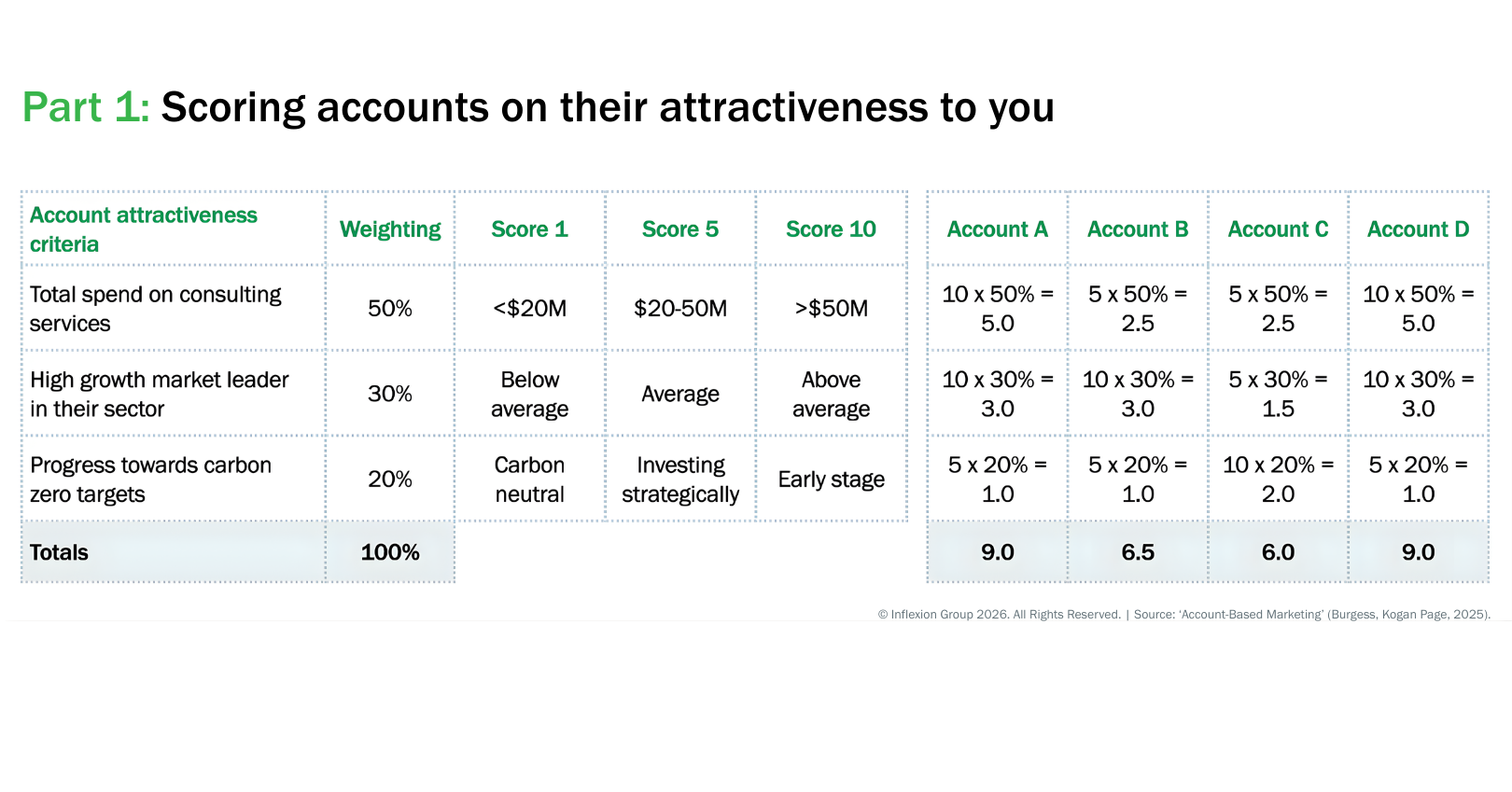
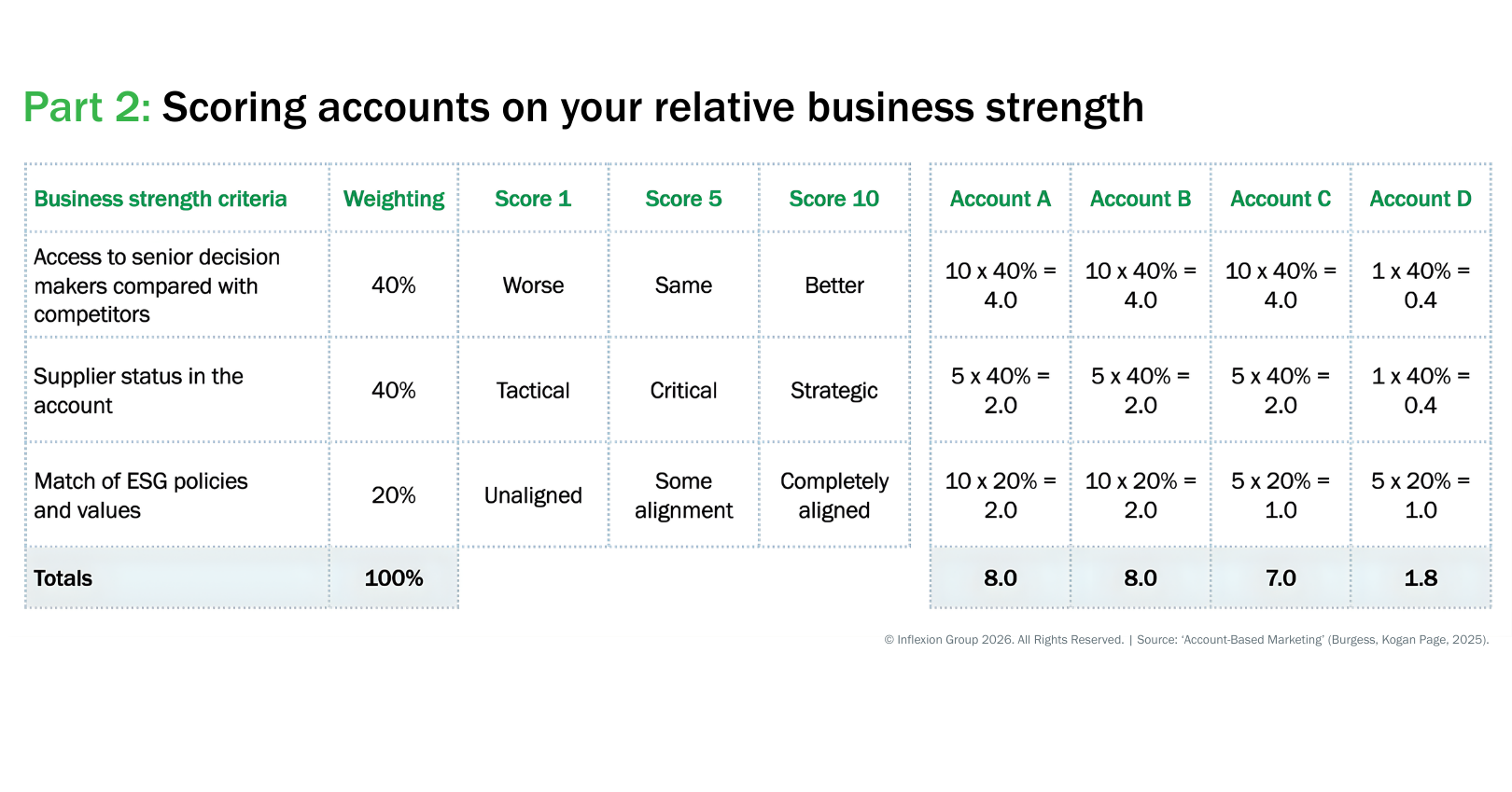
Decide on your selection criteria carefully and get agreement across the business for both the relative importance and the scoring model you will adopt for each criterion, together with the source of the data you will use to make the exercise as objective as possible. Examples of possible criteria for account attractiveness and your relative business strength are shown in the tables below, together with the weighted importance of each criterion, and the way accounts can be scored against each one.
Of course, this decision support tool can be enabled with AI to make it faster and, potentially more accurate, plus kept up to date.
Once the data is in, run the model and use the results of the scoring exercise to discuss with your peers across marketing, sales, and customer success or service delivery which accounts to invest in, prioritising them into tiers, as shown in the figure below.
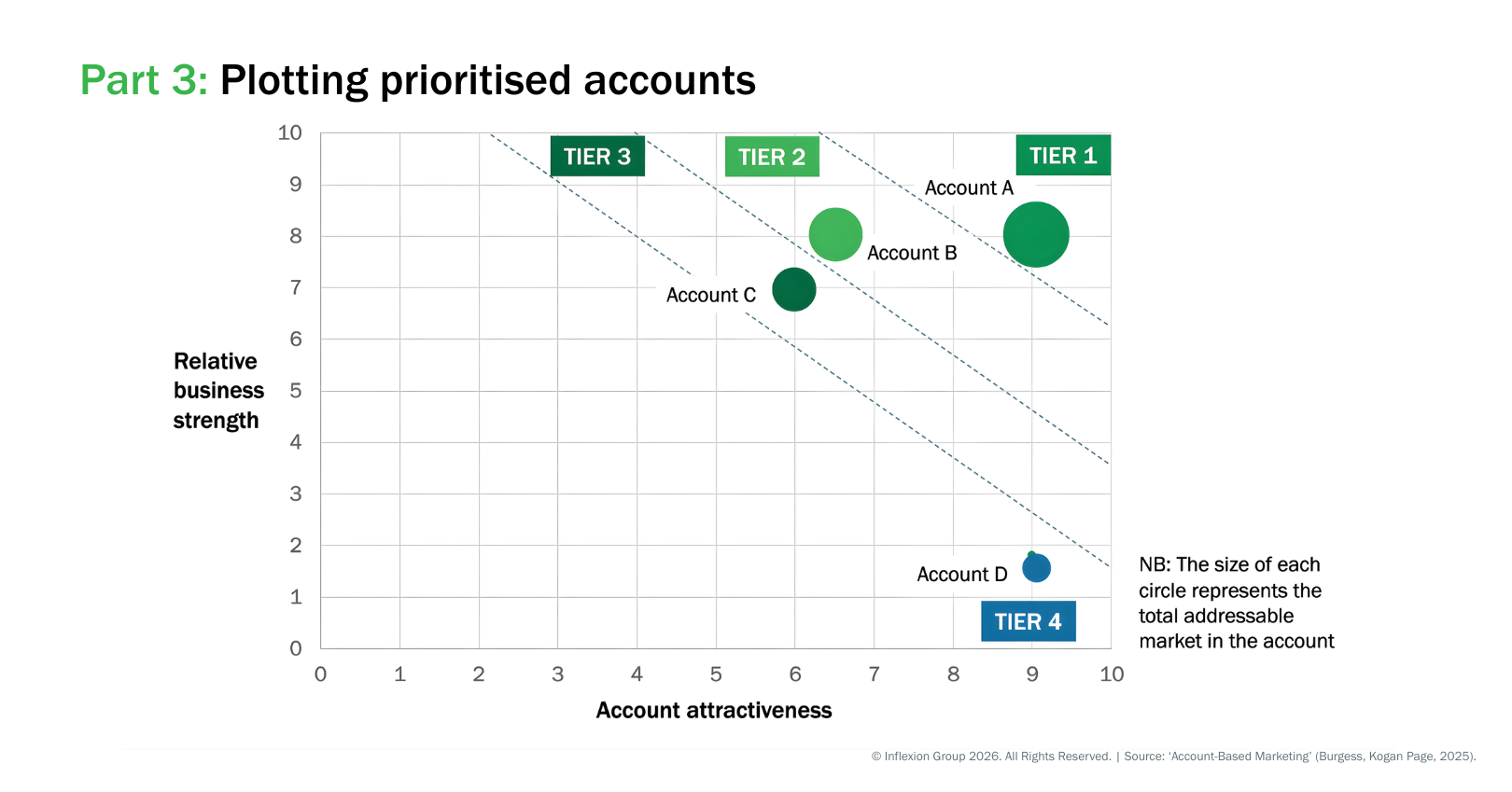
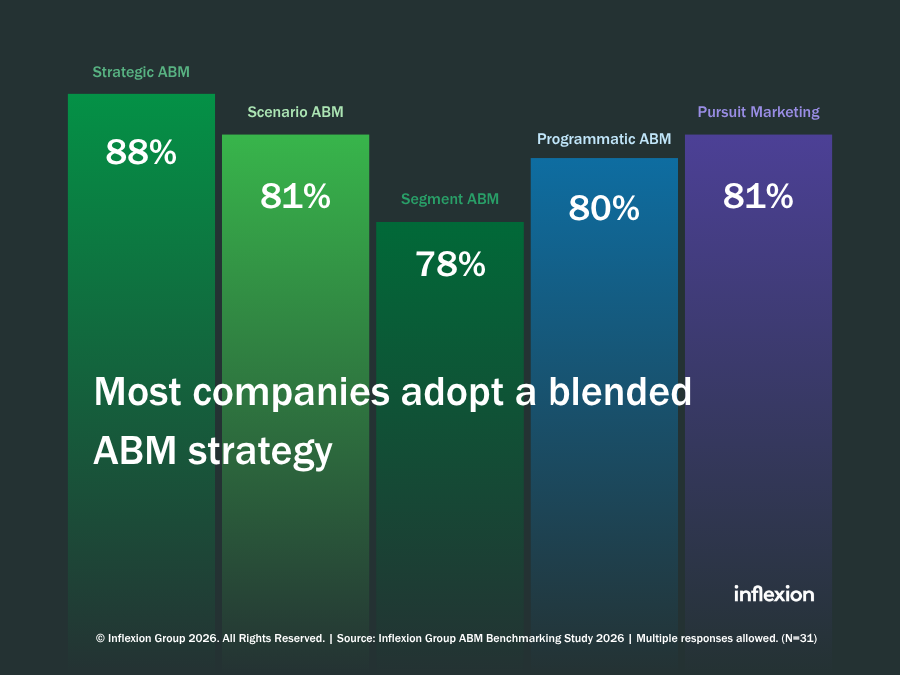
Then discuss how to allocate your customer-facing resources against each tier, including ABM – potentially covering different tiers with different types of ABM in a blended strategy.
You might also want to run a similar exercise to tier the prospects that are of interest to you in the market, flexing your criteria on each axis, then agree which target accounts warrant ABM investment.
Read more about this approach in ‘Account-Based Growth’ (Burgess and Shercliff, Kogan Page, 2022) and ‘Account-Based Marketing’ (Burgess, Kogan Page, 2025), or take the on-demand course on Prioritising Accounts for ABM from the ABM Academy.