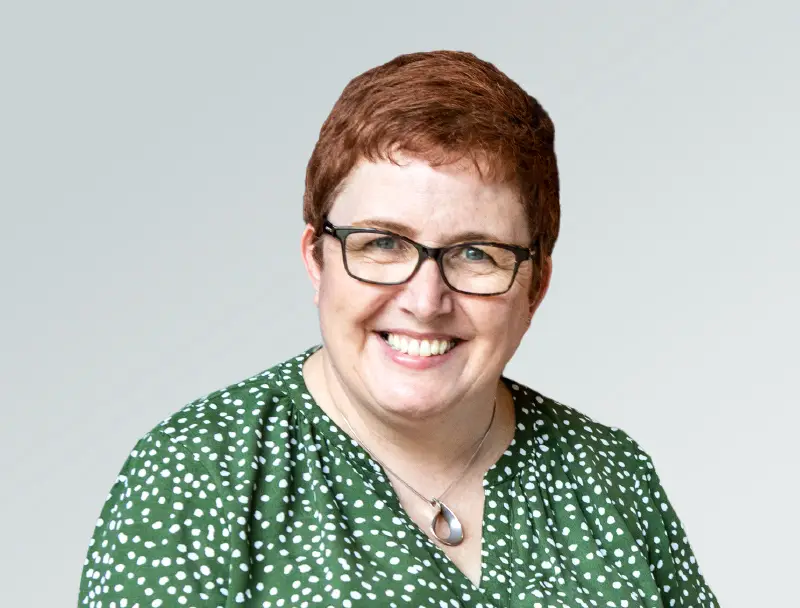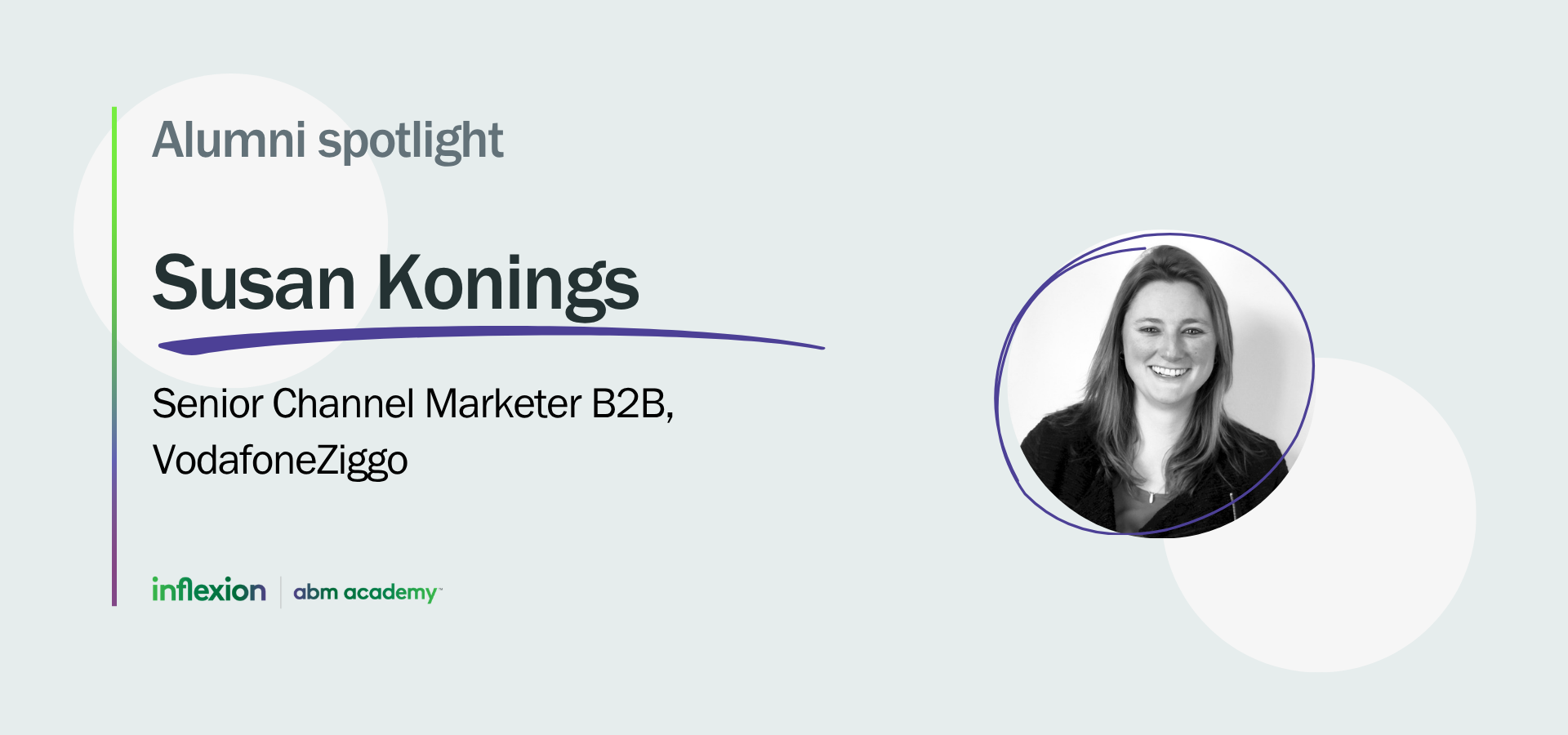
Susan Konings is ABM Lead at VodafoneZiggo in the Netherlands, where she heads up the Account-Based Marketing programme for the corporate segment alongside colleague Eva Croonen. She came to ABM through a career spanning channel marketing, sales enablement and campaign marketing — always with a strong commercial focus and a belief that the best marketing happens in close partnership with sales. For Susan, ABM was less a pivot than a natural destination. We asked her to share what that journey has looked like, and what she has learned along the way.
Interview
You’re at a dinner party and someone asks what you do – how do you explain ABM?
For me, it’s sales and marketing working together, focused on the customers where we can make the biggest difference. Instead of sending one generic campaign to thousands of companies, ABM starts with a small number of priority accounts. We learn what matters to them, understand the people involved in their decisions, and create relevant conversations and solutions together with sales. It’s less about broadcasting messages and more about building meaningful commercial relationships.
How did you get into ABM? Was it intentional or by accident?
It was a natural next step rather than a deliberate career plan. I’d spent time in channel marketing, sales enablement and campaign marketing, always with a strong focus on results and customer needs. Over time, I saw that the best marketing happens when you work closely with sales and truly understand the customer’s business. ABM brought those elements together: customer insight, commercial focus, tailored marketing and real collaboration. So when the opportunity came to lead ABM for the corporate segment at VodafoneZiggo alongside Eva Croonen, it felt like a very logical fit.
What’s the biggest risk you’ve taken in your ABM career, and did it pay off?
The biggest risk was moving away from a traditional, volume-led marketing mindset and asking sales and marketing to invest deeply in a limited number of accounts. It meant making hard choices: not every account could receive the same level of attention, and we had to prove that tailored activity would create more value than broad reach alone.
It paid off. We built stronger senior relationships, increased engagement and positioned Vodafone Business as a partner beyond connectivity. The programme influenced significant pipeline and closed-won business, while creating a more structured commercial approach between sales and marketing.
What was your ‘lightbulb moment’ during the Academy course?
My lightbulb moment actually came before the course — at the very beginning of our ABM initiative. It was realising that ABM isn’t a marketing campaign or a set of personalised assets — it’s a shared commercial strategy. The course reinforced that thinking and gave it a stronger foundation.
The impact only comes when sales and marketing jointly agree on the priority accounts, customer challenges, key stakeholders, value proposition and measures of success. That shift in thinking changed how I approached everything, and it’s why we eventually renamed the programme internally to Account-Based Growth.
What’s in your ABM toolkit that you couldn’t live without – and what’s the most overrated thing everyone raves about?
Three things I couldn’t do without: strong account insight, a clear stakeholder map, and an open working relationship with sales. The account plan and CRM data are an important starting point, but the real value comes from combining that data with the account team’s experience and direct customer insight.
Most overrated? Personalisation for its own sake. Adding someone’s name or company logo to a campaign is not ABM. Personalisation only matters when it reflects a real understanding of the customer’s priorities, challenges and decision-making process. Relevance beats decoration every time.
Fast-forward five years – what does success look like for you?
Success would mean ABM is fully embedded in how VodafoneZiggo serves and grows its large corporate customers — not as something owned by marketing or sales, but as a truly shared way of working around the customer. Sales and marketing would continue to make account choices together, based on customer potential, strategic fit and the strength of the relationship.
Success wouldn’t only be measured in leads or campaign results. It would show up in stronger relationships, broader access to decision-makers, better quality opportunities, sustainable growth and customers who see VodafoneZiggo as a trusted partner beyond connectivity. Personally, I’d be proud to have helped develop people, made customer-centric collaboration the norm, and expanded the approach to new business pursuits and strategic clusters where it can create the most value.
If you could give aspiring ABM-ers one piece of advice, what would it be?
Start with the customer, not the campaign. Be curious about their business, their priorities, the people behind the decisions and the pressures they face. Then bring sales into the process from day one.
ABM succeeds because of trust — internally and externally. You don’t need to have every answer immediately, but you do need to listen well, make clear choices and stay focused on creating value for the customer.
Final thoughts
Susan’s story is a reminder that ABM works best when it stops being a marketing initiative and becomes a shared commercial strategy. Her decision to rename the programme Account-Based Growth wasn’t just semantics — it reflected a fundamental shift in how sales and marketing came together around the customer. The principle she keeps returning to — relevance beats decoration — is one worth carrying into any ABM programme.
Ready to start your own ABM journey? Get in touch with us or explore our ABM Academy courses to find the programme that’s right for you.
Read our previous Alumni Spotlight where we chatted to Mark Absolom, Senior Regional Marketing Lead at Pegasystems. Find out more about our ABM Academy Alumni network.