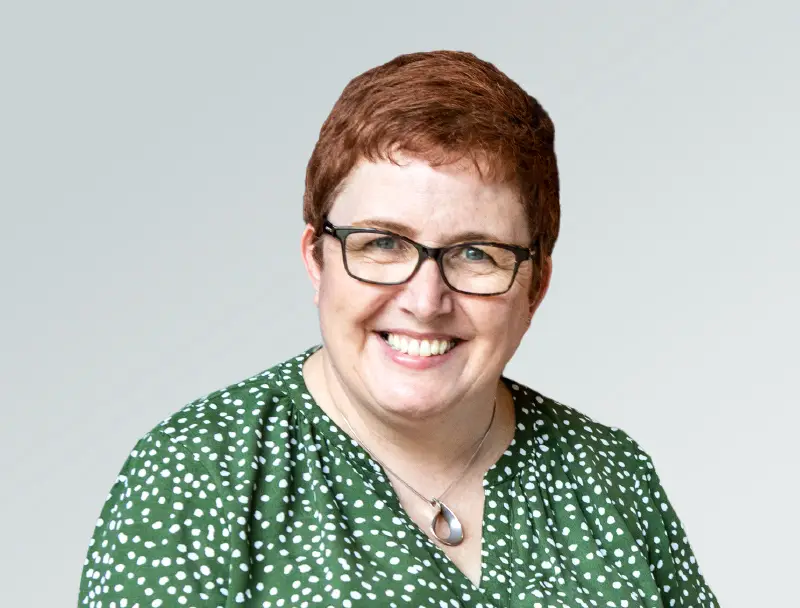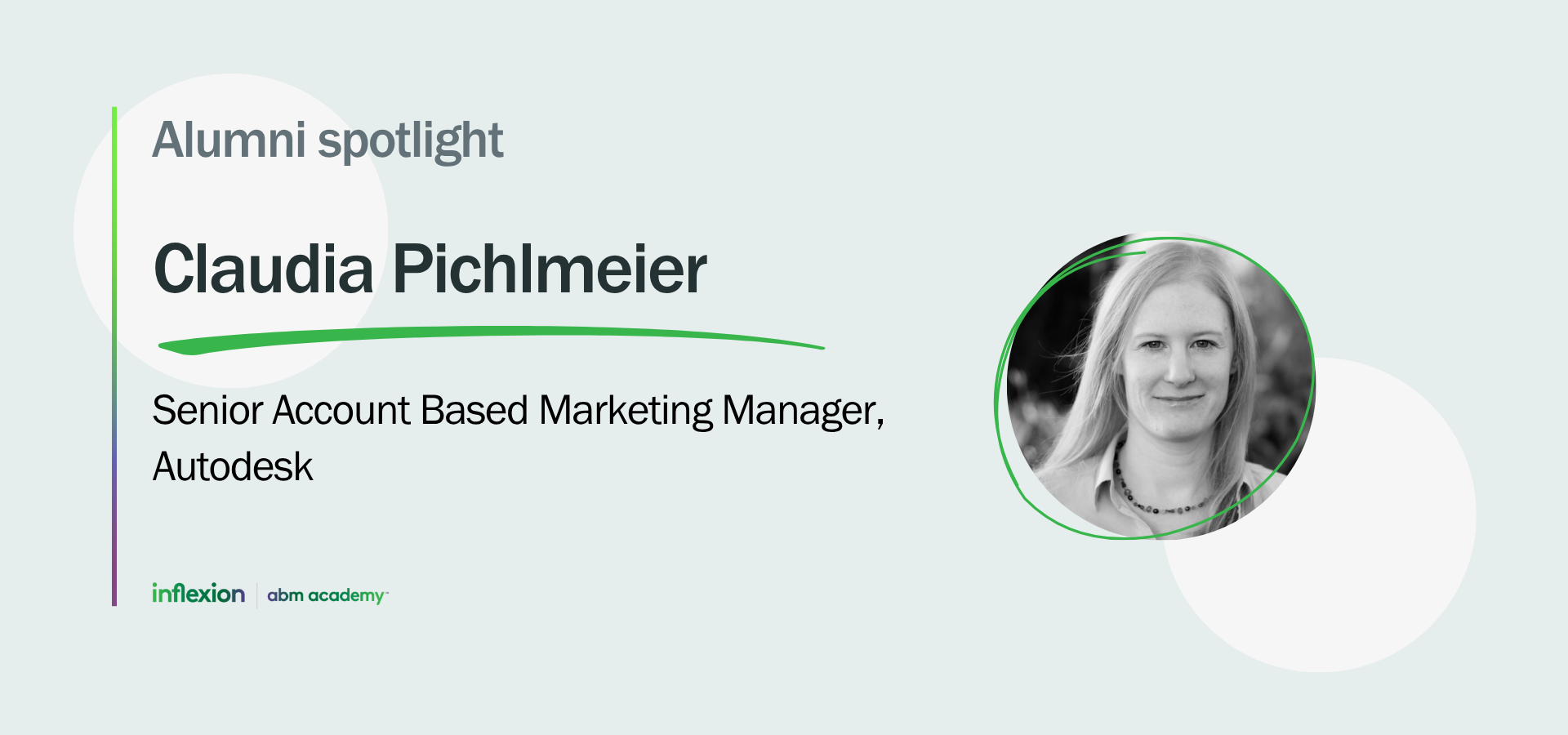
Claudia Pichlmeier is Senior Account Based Marketing Manager at Autodesk, where she has built a career on trading breadth for depth: moving from demand generation into ABM so she could focus on fewer accounts, understand them properly, and work far more closely with sales. We caught up with Claudia to hear about the risk that paid off, what clicked during the Academy course, and why she believes ABM is less about tools and more about trust.
Interview
You’re at a dinner party and someone asks what you do – how do you explain ABM?
I would say that I work with a focused set of strategic accounts — not hundreds, but a smaller group where we can really understand their business, their challenges, and their growth potential. For me, ABM is about bringing marketing and sales together around the accounts that matter most, creating relevant messaging and experiences, and helping open conversations that are much more meaningful than a broad campaign could ever be.
How did you get into ABM? Was it intentional or by accident?
It was more by opportunity than by plan. I started in demand generation, and when my company began building its ABM approach, I had the chance to move into it. What attracted me was the ability to go much deeper. In demand generation, you often drive tactics across hundreds of accounts, which makes it difficult to address specific business challenges. With ABM, I could focus on fewer accounts, understand them better, and support sales with messaging that could open doors with high-potential accounts. That shift felt very natural to me.
What’s the biggest risk you’ve taken in your ABM career, and did it pay off?
The biggest risk was probably moving from a more established demand generation role into ABM, where the way of working was still developing. It meant learning how to collaborate with sales in a much more integrated way and showing clearly what marketing could contribute beyond campaigns. But it definitely paid off. One of the most rewarding moments was when a salesperson told me that an ABM campaign had opened a door with an account. That made the impact very tangible.
What was your ‘lightbulb moment’ during the Academy course?
My lightbulb moment was realising that ABM is not just about personalisation or campaigns. It is about building a shared account strategy. The training reinforced for me that successful ABM needs strong alignment between sales and marketing, clear account insight, and a very intentional approach to where we invest our time and resources. It gave me more confidence to see ABM as a way of bringing people together around the customer.
What’s in your ABM toolkit that you couldn’t live without – and what’s the most overrated thing everyone raves about?
I couldn’t live without regular and honest conversations with sales. That is where the best account insights come from. I learn from them, take those learnings across a 1:few cluster of accounts, and turn them into campaigns that are relevant, focused, and impactful.
The most overrated thing is probably the idea that ABM is only about tools or platforms. Technology helps, but it cannot replace good account understanding.
Fast-forward five years – what does success look like for you?
For me, success means continuing to grow into a trusted business partner — someone who is known for understanding customers and helping shape account strategy in a meaningful way. In five years, I would like to be even more confident in knowing where ABM can create the greatest impact and how to help others work in that way too.
If you could give aspiring ABM-ers one piece of advice, what would it be?
Be curious and be patient. ABM is not about doing more marketing for fewer accounts. It is about understanding those accounts better and building trust with the people around you — especially sales. Listen first, learn from your account teams, and then find the patterns you can turn into meaningful action. That is where ABM becomes really powerful.
Final thoughts
Claudia’s approach is a good reminder of what happens when you trade scale for depth. Her instinct to turn honest conversations with sales into focused, relevant campaigns speaks to a wider truth about ABM: the strongest programmes are built on relationships first and technology second. We’re delighted to have her as part of the ABM Academy alumni community and look forward to seeing where the next five years take her.
Ready to start your own ABM journey? Get in touch with us or explore our ABM Academy courses to find the programme that’s right for you.
Read our previous Alumni Spotlight where we chatted to Lise West, Head of Marketing at Altron Digital Business.
Find out more about our ABM Academy Alumni network.