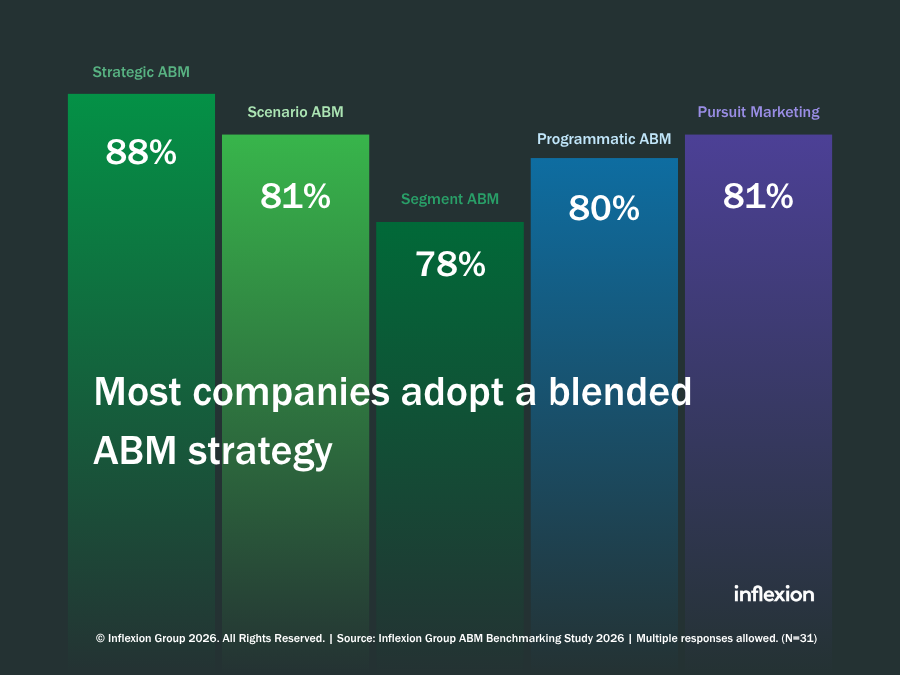
Executive engagement is likely to be critical to your account-based growth strategy this year because in times of uncertainty large purchase decisions tend be made at executive committee or board level.
There are three main ways to engage with your top customer executives: individually, in small groups, or as a peer network or community. A well-orchestrated executive engagement programme uses all three approaches, but one of the most powerful initiatives you can run is an executive advisory board.
An executive advisory board is a strictly non-selling environment where you can invite client executives to share their views on the trends, issues and opportunities facing them, while providing you with a greater understanding of their challenges plus suggestions and feedback to inform your own strategy.
But, as many B2B organisations have an advisory board today, how do you make yours stand out as the one your client executive wants to attend? Here are seven tips from executive engagement expert, Bev Burgess.
1. Engage high level sponsorship
Identify one of your own executives to own and chair the board, but make sure it’s not someone from sales or marketing (unless the executives you are targeting are from those functions).
2. Understand your members’ interests
Profile the board members you would like to recruit to find out what they have in common and would be interested in exploring together.
3. Define your purpose
Communicate the goals of the board and be clear what’s in it for internal and external participants. Create a charter or proposition that is compelling enough to recruit the board members you want. Aim to build something inspiring that goes beyond informing your own strategy to serve some wider purpose.
4. Make your meetings interesting
Plan a mix of online and offline meetings throughout the year, giving you regular contact without impinging too far on the executives’ diaries. Allow the meeting agendas to be shaped by the members themselves. If you can, provide an experiential element to each meeting that links with the topic, perhaps holding in-person meetings in locations that executives wouldn’t normally visit.
5. Maximise attendance
Put the dates in the diary far enough ahead to secure the executives themselves and invite enough people to your board to allow for a good meeting even if some can’t attend each one. Don’t let board members send deputies if they can’t make a meeting as this will erode your attendance faster than anything else. Executives want to talk to their peers.
6. Get everyone engaged
Consider using a third party to facilitate discussion. Making sure everyone is heard and engaged can be a challenging task, and something that your board chairman shouldn’t need to focus on as they chair the meeting.
7. Keep the conversation going
Enable conversations to continue between meetings, perhaps through working groups that the executives can nominate members of their team to engage in, reporting back to the advisory board on their findings at the next meeting. You can even use the advisory board to help you plan other executive engagement activities, such as benchmarking research or conference agendas to engage a wider community of peers.
If you would like support setting up an Executive or Customer Advisory Board, please contact us.